.png)

Solutions
TwinSCADA
The factory
in your hands
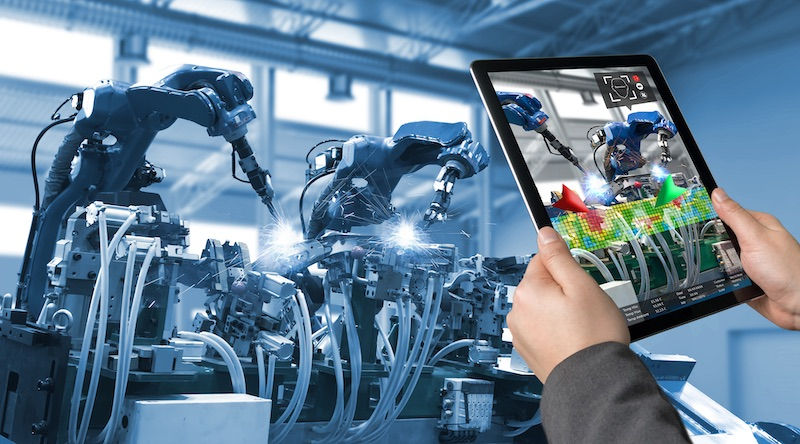
Enabling technologies such as digital twins, integrated with SCADA systems, transform industrial environments by virtually replicating physical assets and processes, using real-time operational data to simulate, analyze, and control performance. This synergy enables continuous, predictive monitoring, where SCADA acts as the nervous system collecting and visualizing critical field variables, while the digital twin processes that information to anticipate failures, test optimization scenarios, and adjust parameters without interrupting physical production. Advanced automation, powered by IoT connectivity and big data analytics, facilitates vertical and horizontal integration with enterprise systems such as MES and ERP, bridging the gap between the shop floor and the corporate office. This convergence not only improves efficiency and quality but also drives the creation of business models based on predictive services, proactive maintenance, and autonomous operations, redefining competitiveness in the era of smart industry and digital globalization.
SCADA + Digital Twins
Live and on
This integration transforms traditional supervision into proactive, intelligent management, where the SCADA system acts as the plant's senses and the digital twin as the brain that anticipates failures, reduces downtime, and improves energy efficiency and product quality.

Unification of
technologies
Organizations achieve comprehensive end-to-end visibility and streamline decision-making based on reliable data.

Connected
ecosystem
Accelerates digital transformation but also generates sustainable competitive advantages, enabling factories that are more autonomous, flexible, and prepared for challenges.
1
SCADA System
Industrial automation and control systems to monitor industrial processes in real time by acquiring data from sensors, equipment, and distributed devices.

2
Combined
architecture
This architecture combines edge gateways, standardized communication protocols—such as MQTT, Modbus, OPC UA, HTTP, and WebSocket—and low-latency networks like 5G or Ethernet, ensuring the integrity, availability, and speed of information critical for decision-making.

3
Full view
Integrating Digital Twins with SCADA creates an unprecedented visualization and control ecosystem, delivering tangible results across multiple dimensions: from schematic 2D process representations and immersive 3D models of entire plants to dynamic dashboards that consolidate key performance indicators. Incorporating GIS enables the georeferencing of geographically distributed assets, while equipment visualization facilitates detailed monitoring of each machine—including real-time status updates—accessible from any device.

.jpg)
4
Real-time control
The system stores and displays historical trends for behavioral analysis, manages alarms with intelligent prioritization, and logs operational events for complete traceability. This technological convergence not only enhances operators' situational awareness but also accelerates anomaly detection, optimizes maintenance planning, and supports strategic decisions based on reliable data, transforming industrial supervision into a visual, interactive, and predictive experience.

